Tuesday, 7 November 2023

Unveiling the World’s Most Impenetrable Vault Door

 Introduction

In the realm of security, few things capture our imagination like a vault door designed to protect priceless treasures. These remarkable structures stand as testaments to human ingenuity and the lengths we go to safeguard what we hold dear. Today, we delve into the mysterious world of vault doors and unveil the most impregnable one ever created.
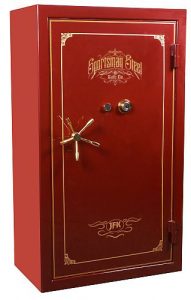
Purchasing a gun safe

The Genesis of Unbreakable Security

A Quest for Unparalleled Protection

Imagine a vault door infused with unrivaled strength and technological sophistication. Enter the Titanium Fortress, a marvel of engineering which has earned its place as the world’s most impenetrable vault door. Developed by a renowned security firm known as FortiSafeguard, this extraordinary creation boasts an array of advanced features that make it virtually impervious to any breach.

The Anatomy of Invincibility

The Titanium Fortress is constructed with a blend of specially reinforced titanium alloy panels, making it incredibly resistant to physical attacks. Its cutting-edge design incorporates advanced locking mechanisms, including biometric scanners, multi-factor authentication, and complex digital encryption systems. These features work in harmony to ensure only authorized individuals gain access to the vault’s contents.

The Ultimate Fortification: Key Features

Biometric Security: A Gateway to the Unreachable

Harnessing the power of biometric technology, the Titanium Fortress recognizes and authenticates individuals based on their unique physiological traits. Fingerprint, retinal, and facial recognition scanners provide multiple layers of authentication, rendering traditional lock-picking techniques futile.

Multi-Factor Authentication: The Key Combination

Innovation lies in the combination of multiple security measures. The Titanium Fortress incorporates multi-factor authentication, forcing intruders to overcome a series of obstacles. A combination of biometrics, personal identification numbers (PINs), and smart card authentication creates a formidable barrier that discourages even the most determined attackers.

Encryption: Protecting the Digital Realm

In today’s digital age, it is not enough to safeguard the physical aspects of security. The Titanium Fortress leverages complex encryption algorithms to secure its digital infrastructure. This ensures that any attempts to compromise the door’s software or electronic systems are met with impenetrable resistance, preserving the sanctity of the vault.

Conclusion

The Titanium Fortress represents the pinnacle of vault door technology, seamlessly integrating physical and digital security measures to create an impregnable barrier. Its titanium-reinforced structure, biometric scanners, multi-factor authentication, and robust encryption safeguard precious assets from even the most audacious threats. In a world where security is paramount, the Titanium Fortress stands as an impenetrable masterpiece.

So, the next time you ponder the intricacies of safeguarding priceless artifacts or sensitive documents, remember the Titanium Fortress – a testament to human innovation and the lengths we go to protect what truly matters.

The Evolution of Vault Doors: From Ancient Fortresses to Modern Security


Introduction

Vault doors have come a long way in their evolution, adapting to the changing needs of society and advancements in technology. From the primitive fortresses of the past to the sophisticated security systems of today, this article explores the fascinating journey of vault doors and their role in safeguarding valuable assets.

vault door

The Ancient Fortresses: Where It All Began

In ancient times, the need for secure storage led to the development of fortified structures. These early vaults were constructed using heavy materials such as stone and were equipped with massive doors that served as the first line of defense. The focus was on strength and durability, with intricate mechanisms and intricate locks that deterred unauthorized access.

Medieval Advancements: From Castles to Codes

During the medieval period, vault doors became more refined as the art of locksmithing advanced. Castles and fortresses featured sophisticated locking systems, incorporating intricate key designs and complex mechanisms. The combination of mechanical ingenuity and strategic placement ensured that vault doors were practically impenetrable.

The Industrial Revolution: A Shift in Design

With the advent of the Industrial Revolution, the demand for secure storage increased exponentially. This led to a shift in the design and manufacturing of vault doors. Steel, a strong and versatile material, replaced stone as the primary construction material. The advancements in metallurgy and engineering allowed for the creation of vault doors that were both robust and aesthetically pleasing.

Modern Innovations: Technology Meets Security

In the modern era, technology has revolutionized the security industry, and vault doors have not been left behind. Electronic systems, biometric authentication, and cutting-edge encryption techniques have transformed vault doors into highly sophisticated security devices. These advancements have made it possible to protect assets with unprecedented levels of security and convenience.

Reinventing the Vault Door: Key Features and Technologies

1. Biometric Authentication

Many modern vault doors utilize biometric authentication, such as fingerprint or iris scanning, to ensure only authorized individuals can gain access. This advanced technology provides an extra layer of security, as biometric data is unique to each individual and virtually impossible to replicate.

2. Multiple Layered Security

Vault doors today often incorporate multiple layers of security to prevent unauthorized access. This includes reinforced steel construction, advanced locking mechanisms, and intrusion detection systems. These layers work in harmony to provide a formidable barrier against any potential threats.

3. Remote Monitoring and Control

The integration of internet connectivity and smart technology enables remote monitoring and control of vault doors. This means that authorized personnel can manage access, monitor security systems, and receive real-time alerts from anywhere in the world. Such capabilities enhance convenience and ensure rapid response to any security breaches.

Conclusion

The evolution of vault doors reflects humanity’s constant pursuit of security and protection. From the primitive fortresses of ancient times to the technologically advanced security systems of today, vault doors have continually adapted to meet the changing needs of society. As technology continues to advance, we can expect further innovations in vault door design, ensuring the safety of our most valuable assets for generations to come.

Cracking the Code: How Vault Doors Secure Valuables


Introduction

Vault doors play a crucial role in safeguarding our most valuable possessions. From precious gems to classified documents, these impenetrable structures create a formidable barrier against potential threats. In this article, we will dive into the intricate mechanisms and advanced technologies that make vault doors the epitome of security.

Anatomy of a Vault Door

The Outer Shell: A Fortress in Disguise

Vault doors are often designed to blend seamlessly with their surroundings. The outer shell of these sturdy structures is crafted from heavy-duty materials such as reinforced steel or composite alloys. This robust exterior acts as the first line of defense against unauthorized access.

The Locking System: A Complex Puzzle

Behind the facade lies the intricate locking mechanism, which is the heart and soul of a vault door’s security. These systems employ a series of interlocking bolts, typically made of hardened steel, that extend from the door into the frame when locked. The number and size of these bolts vary depending on the level of security required.

Advanced vault doors utilize high-tech locking systems that incorporate biometric scanners, keypad entry, or even retina recognition. These cutting-edge features ensure that only authorized individuals can gain access, adding an additional layer of protection.

Cracking the Code: The Challenges

Vault doors are designed to withstand a wide array of threats, ranging from brute force attacks to sophisticated manipulation techniques. Let’s explore some of the common challenges faced by those attempting to bypass these formidable barriers:

Physical Attacks: Brawn vs. Steel

One of the primary concerns when it comes to vault door security is physical attacks. These attacks involve trying to force open the door by applying extreme pressure or using heavy tools. However, vault doors are specifically engineered to resist such attacks, making them incredibly difficult to breach.

Manipulation Techniques: A Battle of Wits

Some criminals employ manipulation techniques to crack the code of a vault door. These methods involve meticulously analyzing the locking mechanisms, identifying vulnerabilities, and exploiting them. However, manufacturers continuously enhance their designs to counter these attempts, leaving perpetrators in a constant state of perplexity.

The Future of Vault Door Security

As technology advances, so does the sophistication of vault door security systems. In the future, we can expect even more innovative features designed to thwart potential threats. From biometric advancements to artificial intelligence integration, the possibilities are endless. The goal remains the same – protecting our most treasured possessions from unauthorized access.

Conclusion

Vault doors are the pinnacle of security, employing advanced mechanisms and technologies to protect our valuables. Through their robust construction, complex locking systems, and constant evolution, these impenetrable structures stay one step ahead of those seeking unauthorized access. With vault doors standing guard, our most prized possessions remain safe and secure.