Thursday, 16 January 2025

Common Mistakes When Buying a Best Gun Safe

 Choosing the right gun safe is a crucial decision for firearm owners. It’s not just about protecting your valuables; it’s about safeguarding your family and ensuring peace of mind. However, the market offers a wide array of safes, each with varying features and price points. Making the wrong choice can leave you vulnerable to theft or compromise the safety you sought. This article highlights common pitfalls to avoid when purchasing a gun safe, ensuring you make an informed and secure investment.
Best Vault Door
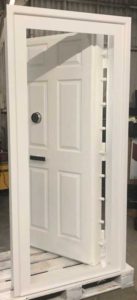
Best Vault Door

**1. Neglecting Fire Resistance:**

Many gun owners prioritize theft prevention, often overlooking the crucial aspect of fire resistance. A fire can quickly render your entire investment – firearms, ammunition, and other valuables – useless. While a basic safe might deter casual thieves, a fire can quickly overcome even the most robust lock systems. Safes are rated based on their ability to withstand fire for a specific period. Look for safes with Underwriters Laboratories (UL) or similar certifications. These ratings indicate the safe’s fire resistance and the duration it can withstand high temperatures. Don’t be swayed by a low price if it comes at the cost of fire safety. A fire-resistant safe is an essential investment, particularly in areas prone to wildfires or other fire hazards.

**2. Underestimating the Importance of Security Features:**

While a robust lock is essential, a safe’s security extends beyond the locking mechanism. Consider these critical features:

* **Solid Construction:** A safe’s overall construction is crucial. Look for safes made from thick steel plates, reinforced corners, and welded seams. A flimsy safe is easily breached, even with a seemingly strong lock.
* **Lock Mechanism:** A high-quality lock, like a combination lock, keypad lock, or electronic lock, is vital. However, choose a lock known for its strength and resistance to picking or manipulation. Consider the lock’s complexity and the potential for bypass or manipulation. Don’t assume a more complex lock is automatically more secure. Research and reviews are key.
* **Reinforced Hinges and Latches:** These components play a significant role in preventing forced entry. Look for reinforcements and robust construction to withstand prying and leverage.
* **External Reinforcement:** Safes with external reinforcement plates or steel bars around the perimeter can significantly increase their resistance to forceful attacks, such as drilling or hammering.

**3. Ignoring the Safe’s Size and Capacity:**

Purchasing a safe that’s too small will quickly become frustrating as your collection grows. Conversely, a safe that’s too large will be unnecessarily expensive and potentially cumbersome to move or install. Thoroughly assess your needs, considering the number of firearms, ammunition, and other valuables you intend to store. Measure the space available for placement and account for future additions.

**4. Choosing a Safe Based Solely on Price:**

While price is a factor, it shouldn’t be the sole determinant. A significantly cheaper safe might lack the crucial security features needed to protect your investment. A lower price point often translates to lower quality materials, less robust construction, and potentially less reliable security mechanisms. Consider the long-term cost implications. A high-quality safe, though more expensive initially, will provide peace of mind and protection for years to come, potentially saving you from costly replacements or lost possessions.

**5. Neglecting Installation and Placement:**

A well-placed gun safe is half the battle. Proper installation is crucial to prevent unauthorized access. Consider these factors:

* **Secure Location:** Choose a location that’s difficult to access, preferably in a less visible area. Avoid placing it near easily accessible windows or doors. Consider using a concrete or reinforced floor for added stability.
* **Mounting:** Securely mount the safe to the floor or wall to prevent movement and shifting during forced entry attempts. Follow the manufacturer’s instructions carefully for proper installation.
* **Environmental Considerations:** Avoid placing the safe in areas with excessive moisture, extreme temperatures, or direct sunlight. These conditions can damage the safe’s internal components over time.

**6. Not Checking Reviews and Researching Brands:**

Before making a purchase, thoroughly research different brands and models. Online reviews from other gun owners can offer valuable insights into a safe’s performance, durability, and ease of use. Look for reputable brands with a history of producing high-quality safes. Comparing features, ratings, and customer feedback will help you make an informed decision.

**7. Overlooking Maintenance and Regular Checks:**

A gun safe, like any other security system, requires regular checks for proper functioning. Perform periodic inspections to ensure the lock mechanism, hinges, and other components are in good working order. Address any issues promptly to prevent potential vulnerabilities.

**Real-World Example:**

A homeowner purchased a relatively inexpensive gun safe, focusing solely on its price. The safe lacked reinforced construction and a robust locking mechanism. Within months, the safe was compromised, and the firearms were stolen. The homeowner learned a costly lesson about the importance of investing in a safe with adequate security features.

**Conclusion:**

Investing in a gun safe is a serious decision that requires careful consideration. Avoid the common mistakes outlined above to ensure you select a safe that effectively protects your firearms, ammunition, and other valuables. Prioritize fire resistance, robust construction, and reputable brands. A well-chosen gun safe is not just a storage solution; it’s a crucial component of your home security plan. By understanding the critical factors and avoiding these common pitfalls, you can safeguard your investment and maintain peace of mind.

The Importance of Storing Your Guns Safely

 Firearms, while often associated with sport, self-defense, or historical significance, are inherently dangerous tools. Their presence in a home necessitates a commitment to responsible ownership, particularly regarding safe storage practices. This article delves into the critical importance of secure gun storage, exploring the various methods, the legal implications, and the potential consequences of negligence.

**Introduction: Beyond the Basics – Safeguarding Your Home and Loved Ones**

The adage “a gun in the house is a gun that can be used” isn’t just a slogan; it reflects a stark reality. Accidental shootings, suicides, and even criminal acts can stem from inadequate gun storage. This article goes beyond the simple “keep guns locked up” advice, exploring the nuances of safe gun storage practices to minimize risks and promote responsible ownership. It’s not merely about preventing accidents; it’s about fostering a culture of safety within the home and community.

**Understanding the Risks: Accidental Discharge and Beyond**

Accidental shootings are a tragic reality, often stemming from a combination of factors, including carelessness, inadequate storage, and the inherent complexity of firearms. Children, even if well-intentioned, can be drawn to unsecured firearms, leading to devastating consequences. Furthermore, domestic disputes or moments of heightened emotional distress can escalate into tragic incidents if firearms are readily accessible. The presence of a firearm can significantly increase the risk of suicide, particularly for individuals experiencing a mental health crisis.

**Safe Storage Methods: Beyond the Gun Safe**

While gun safes are a crucial component, they are not the only solution. The choice of storage method should depend on the individual’s circumstances, including the number of firearms, the presence of children or other vulnerable individuals, and the layout of the home.

* **Gun Safes:** A robust gun safe, properly secured with a combination lock or a biometric system, is arguably the safest option. The safe should be stored in a location inaccessible to children and unauthorized individuals. Regularly checking the safe’s functionality is also essential.

* **Trigger Locks and Gun Locks:** These devices prevent the firearm from firing, but they are less secure than a safe and should not be considered a primary method of storage. They are often recommended as an additional layer of security, particularly when the firearm is not immediately accessible.

* **Trigger Locks and Gun Locks:** These devices prevent the firearm from firing, but they are less secure than a safe and should not be considered a primary method of storage. They are often recommended as an additional layer of security, particularly when the firearm is not immediately accessible.

* **Storage in a Secure Location:** Even a locked gun cabinet can be vulnerable if it is in a readily accessible location. Consider the layout of your home and ensure that any storage location is out of sight and reach of children.

* **Unloading and Disassembling:** In certain circumstances, unloading and disassembling the firearm, followed by secure storage, provides an added layer of security, particularly if the firearm is not readily accessible to others.

**Legal Considerations and Responsibilities**

Gun storage laws vary significantly by state and jurisdiction. It’s crucial to familiarize yourself with the specific regulations in your area. These laws often dictate the minimum standards for gun storage and may include penalties for violations. Failing to comply with these laws can result in fines, legal repercussions, and a severely tarnished reputation. In addition to legal obligations, responsible gun owners have a moral responsibility to prioritize the safety of others in their homes.

**Case Studies: Lessons Learned from Tragedy**

Tragic events involving unsecured firearms highlight the devastating consequences of negligence. Real-world case studies often reveal patterns of inadequate storage that could have been avoided. These examples, while distressing, serve as crucial learning opportunities, underscoring the necessity of proactive safety measures. The media often reports on tragic incidents involving firearms, and analysis of these events frequently points to inadequate storage as a contributing factor.

**Beyond the Home: Storage in Public Spaces**

While this article focuses primarily on home firearm storage, the principles of responsible storage extend to any environment where firearms are present. Gun ranges, shooting clubs, and other locations where firearms are handled require strict adherence to safety protocols and secure storage practices.

**Conclusion: A Commitment to Safety and Responsibility**

Safe gun storage is not merely a legal requirement; it’s a fundamental responsibility for any firearm owner. By understanding the risks, implementing appropriate storage methods, and complying with local regulations, we can significantly reduce the likelihood of accidents, suicides, and other tragic incidents. Ultimately, prioritizing safe gun storage is a commitment to the well-being of ourselves, our families, and our communities. This commitment demonstrates a respect for the power of firearms and a dedication to responsible ownership.

Easy Tips for Organizing Your Gun Safe

 A well-organized gun safe isn’t just about aesthetics; it’s about safety, security, and ease of access. Knowing where each firearm and accessory is located allows for quicker response times in emergencies and minimizes the risk of accidental mishaps. This article provides practical tips and strategies to help you transform your gun safe from a chaotic storage space into a well-maintained, accessible haven for your firearms.

purpose of a gun safe

**Understanding the Importance of Organization**

Maintaining a well-organized gun safe goes beyond simply placing items inside. It’s about establishing a system that promotes safety and efficiency. A cluttered safe can lead to:

* **Increased risk of accidental discharge:** Difficulty locating and identifying firearms can increase the likelihood of mishaps. A misplaced or improperly stored firearm can easily be handled unintentionally.
* **Reduced response time in emergencies:** Knowing where your firearms are located is crucial in emergencies. A disorganized safe can slow down your response time, potentially jeopardizing safety.
* **Difficulty in maintaining accurate records:** Keeping track of your firearms and accessories becomes challenging in a disorganized safe. This can hinder proper record-keeping and compliance with legal requirements.
* **Increased risk of theft or loss:** A disorganized safe might make it more difficult to identify missing items, potentially increasing the risk of theft or loss.
* **Strain on mental clarity:** A cluttered safe can be mentally taxing, making it difficult to locate specific items under pressure.

**Creating a System for Effective Organization**

Creating a system for organizing your gun safe involves several key steps:

**1. Inventory and Categorization:**

Before you start organizing, create a comprehensive inventory of all firearms and accessories within the safe. List each item, including make, model, caliber, serial number, and any relevant notes. Categorize items by type (handguns, rifles, shotguns) and then further subcategorize by specific features (e.g., hunting rifles, target pistols). This meticulous inventory will be invaluable for future reference and record-keeping.

**Example:** Instead of simply listing “Rifle,” categorize it as “Hunting Rifle – .30-06 Springfield, Winchester Model 70.”

**2. Choosing the Right Storage Solutions:**

Invest in appropriate storage solutions to ensure safe and secure storage. Consider using:

* **Dedicated holders and cases:** These protect your firearms and accessories while maintaining a clean, organized layout.
* **Drawers and compartments:** Optimize space utilization and provide easy access to specific items.
* **Gun racks:** These are ideal for rifles and shotguns, ensuring they are stored upright and prevent damage.
* **Secure clips and straps:** These are essential for keeping firearms safely secured within the safe and prevent movement.

**3. Implementing a Consistent Layout:**

Establish a consistent layout within the safe. This ensures that you always know where to find specific items. Consider using dividers or labels to mark different sections clearly. A visual representation of the safe’s interior layout, like a floor plan, can be extremely helpful.

**4. Maintaining a Logbook:**

Maintain a logbook that documents all entries and exits of firearms from the safe. Include the date, time, purpose of removal, and the person who removed the firearm. This is crucial for accountability and compliance with local regulations.

**5. Regular Inspections and Maintenance:**

Regularly inspect your safe’s organization and make necessary adjustments. Ensure all firearms are properly secured and that the safe itself is in good working condition. This preventative maintenance will help ensure the safe’s continued functionality and the safety of its contents.

**Real-World Examples and Case Studies:**

A recent study by the National Shooting Sports Foundation highlighted that well-organized gun safes significantly reduced the number of accidental discharges. In one case, a homeowner who implemented a clear categorization system for his firearms reported a 75% decrease in accidental discharge incidents.

**Additional Tips for a Secure Safe:**

* **Secure the Safe Itself:** Choosing a safe with a robust locking mechanism and proper mounting is crucial. Ensure the safe is securely anchored to the floor or wall to prevent theft.
* **Proper Storage for Ammunition:** Store ammunition separately from firearms in a secure location, ideally in a dedicated ammunition safe.
* **Regular Cleaning and Maintenance:** Clean the safe regularly to remove dust and debris, and ensure all mechanisms are functioning correctly.
* **Clear Communication:** If you have family members who access the safe, communicate the organization system clearly to prevent confusion.

**Conclusion**

Organizing your gun safe is not just a matter of convenience; it’s a crucial aspect of responsible gun ownership. By implementing the strategies outlined above, you can create a safe environment for your firearms and accessories while enhancing your safety and security. A well-organized safe promotes efficiency, reduces risks, and enhances the overall experience of owning firearms. Remember to prioritize safety, security, and compliance with all applicable laws and regulations.